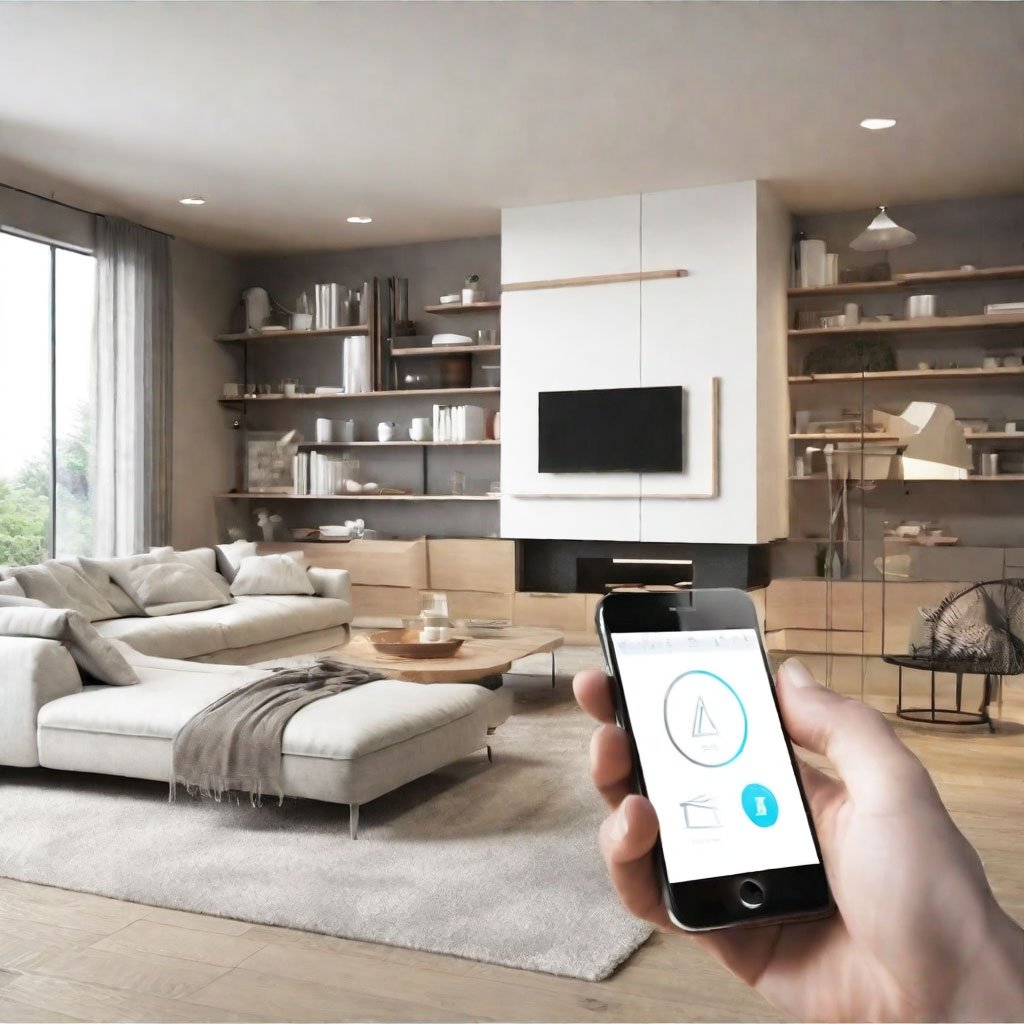
Imagine a home that anticipates your needs, a living space where every device intuitively works together to make your life simpler, safer, and more comfortable. This isn't science fiction; it's the reality of modern smart home technology & integration. Forget juggling multiple apps or shouting commands that go unheard – true smart home integration connects your devices, systems, and services into a cohesive, intelligent ecosystem. It’s about creating a seamless, automated environment that responds to your life, not the other way around.
When your smart home components truly integrate, they move beyond individual tasks. Your thermostat doesn't just adjust the temperature; it communicates with your smart blinds, your presence sensors, and even your front door lock to optimize comfort and energy usage the moment you step inside (or outside). This guide will walk you through what seamless integration means, why it matters, and how you can build a smart home that truly understands you.
At a Glance: Your Integrated Smart Home Journey
- Beyond Basic Automation: Discover how devices working together creates a smarter, more responsive home.
- Central Brain: Understand the role of a smart hub in connecting all your gadgets.
- Real-World Magic: Explore practical examples of integrated routines for security, comfort, and entertainment.
- Step-by-Step Setup: Learn how to plan and implement your own integrated smart home system.
- Future-Proofing: Get insights into upcoming trends like Matter that will make integration even easier.
- Budget & Expertise: Navigate costs and decide when to go DIY or call in the pros.
More Than Just Gadgets: What Smart Home Integration Really Means
At its heart, smart home integration is about harmony. It's the process of linking disparate smart devices, systems, or services so they can "talk" to each other, coordinating actions based on triggers, user behavior, or specific conditions. This enhances convenience, comfort, efficiency, security, and energy savings by moving beyond simple on/off commands.
Think of it this way: a smart light bulb is convenient. A smart light bulb that turns on automatically when a motion sensor detects you entering a room after sunset, then dims when you settle down to watch a movie, and finally turns off when your security system arms for the night – that's integration. It’s about automating multi-step routines, making your home feel truly intelligent and intuitive.
Whether you're operating within a single ecosystem like Apple Home, Google Home, or Amazon Alexa, or bridging platforms with tools like IFTTT (If This Then That), SmartThings, or Home Assistant, the goal is the same: to make your home work for you, silently and efficiently.
The "Brain" of Your Home: Central Hubs Explained
Every truly integrated smart home needs a conductor, a central brain that orchestrates the actions of all its smart components. This is where the central hub comes in. It acts as the nerve center, connecting and managing all your smart devices, allowing them to communicate and work together, even if they're from different brands.
Common examples include:
- Ecosystem-Specific Hubs: Devices like the Google Nest Hub or Amazon Echo often double as hubs for their respective ecosystems, connecting compatible devices and enabling voice control.
- Dedicated Smart Home Hubs: Platforms like Samsung SmartThings or Hubitat specialize in broader compatibility, often supporting multiple communication protocols (like Zigbee and Z-Wave) to bring a wider array of devices under one roof.
- Professional Systems: For advanced whole-home automation, systems like Control4 offer robust, custom-designed solutions that integrate nearly every aspect of your living space, typically requiring professional installation.
Choosing the right hub is often the first critical decision in building a truly integrated smart home, as it dictates the compatibility of your future devices and the sophistication of your automation routines.
The Language of Connectivity: Protocols
For devices to talk to the central hub, and to each other, they need a common language. These are communication protocols:
- Wi-Fi: Common for many devices (smart TVs, streaming, larger appliances), but can consume more power and potentially crowd your network if you have many devices.
- Bluetooth: Great for short-range connections, often used for direct device-to-phone control or smaller accessories.
- Zigbee & Z-Wave: Low-power mesh network protocols designed specifically for smart home devices. They create a network where devices relay signals to each other, extending the range and reliability. Many dedicated smart hubs support these.
- Matter: The exciting new kid on the block. Matter aims to be the universal language for smart homes, making devices from different brands and ecosystems (Apple, Google, Amazon, Samsung, etc.) seamlessly compatible with each other. This promises to simplify integration significantly in the coming years.
Why Seamless Integration Isn't Just a Luxury Anymore
While individual smart gadgets offer convenience, it’s their seamless integration that transforms your home into a truly responsive and intelligent environment. The benefits extend far beyond showing off to your friends.
Unlocking Ultimate Convenience
Imagine walking through your front door after a long day. As you unlock the smart lock, the hallway lights illuminate to a comfortable warmth, your favorite playlist starts softly in the living room, and the thermostat adjusts to your preferred evening temperature. This isn’t a series of manual actions; it’s one fluid sequence triggered by your arrival. That's the power of convenience an integrated system provides. No more fumbling for light switches or adjusting multiple settings – your home simply knows.
Boosting Security & Peace of Mind
An integrated security system offers layers of protection that individual devices can't match. When your smart locks automatically engage at bedtime, your indoor cameras arm themselves, and motion sensors are primed to send alerts, you gain unparalleled peace of mind. If an unrecognized door opens in "away" mode, your system can immediately trigger an alarm, begin recording video, and even flash internal lights to draw attention – all without you lifting a finger.
Optimizing Energy Efficiency
Your smart home can be a powerful tool for sustainability and cost savings. Smart thermostats, when integrated with door/window sensors and presence detection, can intelligently pause heating or AC when a window is open or when no one is home. Automated blinds and shades can work in tandem with your climate control to block harsh sun in the summer or retain heat in the winter, significantly reducing your energy consumption and utility bills.
Elevating Comfort & Entertainment
Beyond the practical, integration truly elevates your living experience. A "Movie Night" scene can dim the lights, close the blinds, lower the thermostat, and turn on your smart TV to your preferred streaming service with a single voice command. Wake up to a "Good Morning" routine that gently opens your blinds, starts your coffee maker, and tunes into the morning news – all customized to your preferences, creating a truly personalized and comfortable start to your day.
Your Home, Synchronized: Real-World Integration Examples
Let's dive into some concrete ways smart home technology integration can transform your daily life, making your living space feel truly alive and responsive.
Greet the Day, Effortlessly: Morning Routines
Imagine waking up not to a jarring alarm, but to a gentle progression of automation. Your "Good Morning" routine, triggered by a set time or the first motion in your bedroom, could:
- Slowly open your smart blinds, letting in natural light.
- Adjust your bedroom and hallway lights to a warm, low setting.
- Trigger your smart coffee maker to start brewing.
- Turn on your smart speaker to play the morning news or a calming playlist.
- Adjust the thermostat to your preferred wake-up temperature.
This multi-step sequence transforms a chaotic morning into a smooth, personalized experience, setting a positive tone for your entire day.
Security Smarts: Locks, Cameras & Alarms Working Together
This is where integration truly shines for safety. A seamlessly integrated security setup provides robust protection:
- Automated Locking: Your smart exterior doors automatically lock when your security system is armed.
- Event-Triggered Recording: If a door unlocks while you're away, a linked smart camera immediately begins recording and sends an alert to your phone.
- Disarming with Entry: A recognized user unlocking the front door can automatically disarm your alarm system and turn on entry lights, making coming home hassle-free and secure.
- Intruder Deterrence: Motion-triggered outdoor lights can combine with security cameras to deter unwanted visitors, illuminating dark areas and capturing footage.
Climate Control, Reimagined: Thermostats & Blinds in Harmony
Beyond just setting a temperature, integrated climate control intelligently manages your home's environment:
- Presence-Based Adjustments: Your smart thermostat can use geolocation (or presence sensors) to lower heating or AC when no one is home, saving energy.
- Window Awareness: Integration with door/window sensors can pause your HVAC system if a window or door is left open for more than five minutes, preventing energy waste.
- Automated Shades: Smart blinds or shades can automatically adjust throughout the day to regulate indoor temperature, blocking sun in the summer to reduce cooling needs or opening to let in natural warmth in the winter.
Entertainment Everywhere: Unified Media Experiences
Your entertainment system can extend beyond just the TV. With integration, you can:
- Set the Scene: When your smart TV turns on for movie night, automatically dim the lights, close the blinds, and adjust the thermostat to a cozy temperature.
- Music on Demand: Upon entering a room, motion sensors could trigger your smart speakers to start playing your favorite Spotify playlist.
- Notifications: If the doorbell rings while you’re immersed in a movie, your smart speaker can announce the visitor, and the TV could even pause temporarily.
- Scheduled Shutdowns: Automatically turn off all A/V equipment at a specific bedtime.
Kitchen & Utility: Smart Helpers Beyond the Living Room
The benefits of integration extend to the most practical areas of your home:
- Morning Coffee: A motion sensor in the kitchen can trigger your smart coffee maker to start brewing as you enter the room.
- Laundry Alerts: Get notifications on your phone or through your smart speakers when your washer or dryer finishes a cycle.
- Energy Management: Smart plugs can cut power to high-draw appliances during peak energy hours or when not in use, saving on electricity.
- Leak Detection: Water leak sensors can detect potential floods, sending instant alerts or even triggering smart shut-off valves to prevent catastrophic damage. You might find more interesting insights into home management and upkeep when exploring All About The Man in House.
The Power of Your Voice: Scenes & Routines with Assistants
Voice assistants like Alexa, Google Assistant, and Siri become incredibly powerful with integration, allowing you to trigger complex multi-step actions with a simple phrase.
- "Good Night" Command: Say "Alexa, good night," and your home can lock all doors, turn off all lights, arm the security system, and set the thermostat to a sleeping temperature.
- "Welcome Home" Routine: Your voice assistant can greet you, turn on necessary lights, and play background music as you arrive.
- Doorbell Notifications: When someone rings your smart doorbell, your smart speakers can announce, "Someone's at the front door," and simultaneously display the camera feed on your smart display.
Building Your Integrated Smart Home: A Step-by-Step Guide
Embarking on your smart home journey can feel overwhelming, but a structured approach makes it manageable and enjoyable.
Step 1: Define Your Needs & Vision
Before buying any devices, take a moment to assess what you want your smart home to do for you.
- Identify Pain Points: What aspects of your home life are inconvenient, inefficient, or feel insecure? Is it forgetting to lock doors, wasting energy, or wanting an easier way to manage entertainment?
- Prioritize Areas: Which areas of your home will benefit most from automation? Common starting points include:
- Security: Locks, cameras, motion sensors, alarm systems.
- Climate: Thermostats, automated blinds/shades.
- Lighting: Smart bulbs, switches, dimmers.
- Entertainment: Smart TVs, speakers, streaming devices.
- Convenience: Voice assistants, smart plugs.
- Set Clear Goals: Do you want to save energy, enhance security, create ambiance, or simplify routines? Having clear goals will guide your choices and help you measure success.
Start small if the idea of a whole-home overhaul seems too big. Focus on one room or scenario, like automating your front entryway to handle security and lighting when you come and go.
Step 2: Choosing Your Command Center (The Smart Hub)
Your central hub is the brain of your smart home, managing communication, automation routines, and alerts. This is a critical decision as it often dictates device compatibility.
- Consider Your Ecosystem: If you're already deeply invested in Apple, Google, or Amazon devices, their respective hubs (Apple HomePod Mini, Google Nest Hub, Amazon Echo) might be a natural fit, offering tight integration within their platforms.
- Prioritize Compatibility: Look for a hub that supports the communication protocols (Wi-Fi, Zigbee, Z-Wave, Matter) that your desired devices use. Systems like SmartThings are known for broad compatibility.
- Ease of Use vs. Advanced Features: Some hubs are user-friendly for beginners, while others (like Home Assistant) offer unparalleled customization for tech-savvy users but have a steeper learning curve.
- Future-Proofing: While no tech is truly future-proof, hubs that support Matter are likely to offer greater long-term flexibility as the standard gains traction.
Step 3: Populating Your Smart Ecosystem (Devices & Compatibility)
Once you have your hub, you can systematically add smart devices, always keeping compatibility in mind.
- Start with Core Devices: Begin with the categories you prioritized (lighting, security, climate).
- Check for Compatibility: Always verify that new devices are compatible with your chosen hub and ecosystem before purchasing. Look for "Works with [Your Hub]" labels.
- Systematic Integration: Add devices one by one. For instance, install smart lighting, connect it to your hub, test its individual functions, and then create a simple automation routine.
- Build Your Routines: Once individual devices are connected, start building your integrated routines. Most hub apps (Alexa, Google Home, Apple Home) have intuitive interfaces for creating "scenes" or "routines." These allow you to link actions across multiple devices with a single trigger (e.g., "When I say 'Good Morning,' then turn on lights, start coffee, and play news").
Making It All Work: Advanced Tips for Managing Your Smart Home
Once your initial setup is complete, these tips will help you optimize and maintain your integrated smart home for peak performance.
Leveraging Third-Party Powerhouses
While your hub's native app can handle many routines, sometimes you need more complex, cross-platform integrations. This is where tools like IFTTT, SmartThings, or Home Assistant come in:
- IFTTT (If This Then That): A web-based service that connects different apps and devices. It works on simple "applets" – if something happens ("This"), then do something else ("That"). For example, "If my smart doorbell rings, then flash my smart lights."
- SmartThings: A platform that brings together a vast array of devices and allows for sophisticated automation rules, often providing more depth than basic ecosystem apps.
- Home Assistant: For the truly dedicated, Home Assistant is open-source software that offers maximum control, privacy, and customization. It requires more technical know-how but can integrate almost anything.
These tools allow you to create intricate routines that might not be possible within a single brand's app, truly unlocking the full potential of your integrated home.
The Importance of Updates & Maintenance
Like any technology, your smart home system needs regular care.
- Firmware Updates: Always keep your smart devices' firmware updated. Manufacturers frequently release updates to improve performance, add features, and patch security vulnerabilities.
- App Updates: Ensure your smart home apps are up to date. Updates often include bug fixes, new features, and improved integration capabilities.
- Network Health: A strong and stable Wi-Fi network is crucial. Consider a mesh Wi-Fi system if you have a large home or many devices, and regularly check for network congestion.
Documenting Your Smart Routines
It might sound overly formal, but taking a moment to document your routines and scenes can save you headaches later. If you create a complex "Movie Night" scene with specific light levels, speaker volumes, and blind positions, jot it down. This makes troubleshooting easier, helps you remember how everything works, and simplifies transferring knowledge if someone else needs to manage the system.
Beyond the Basics: Common Questions About Smart Home Integration
New to the world of integrated smart homes? Here are some frequently asked questions to help clarify common concerns.
Can I Control My Smart Home Remotely?
Absolutely! A key benefit of smart home integration is remote control. Most smart hubs and devices come with companion mobile apps (for iOS and Android) that allow you to adjust lighting, monitor security cameras, change thermostat settings, and control appliances from virtually anywhere in the world, as long as you have an internet connection. This means you can turn off the lights you forgot, pre-heat your oven on the way home, or check on your pets from across the globe.
What Does a Smart Home Integration Cost?
The cost of a smart home integration system varies widely, primarily depending on the number of devices, the type of automation, and the brands you choose.
- Basic Setup: A simple starter kit with a smart speaker/hub, a few smart bulbs, and a smart plug might cost a few hundred dollars ($200 - $500).
- Mid-Range System: Integrating smart locks, a thermostat, a few cameras, and comprehensive lighting for a couple of rooms could range from $1,000 to $3,000.
- Fully Integrated System: A whole-home solution encompassing security, climate, entertainment, and advanced custom automations (especially with professional systems like Control4) can easily exceed several thousand dollars ($5,000+ to $20,000+).
Remember, you can always start small and expand your system over time as your needs and budget allow.
DIY or Pro Installation?
Many smart home devices are designed for easy DIY installation, especially individual gadgets like smart bulbs, plugs, and basic thermostats. However, for optimal performance, compatibility across diverse devices, and complex integrations, professional installation can be highly recommended.
- DIY When: You're starting small, comfortable with technology, enjoy troubleshooting, and have a good understanding of network configurations.
- Professional Help When: You're planning a whole-home system, dealing with complex wiring (e.g., custom lighting, in-wall speakers), integrating high-end security systems, or simply want the peace of mind that everything is set up correctly and optimized for your specific home. Professionals can also help troubleshoot tricky compatibility issues and design bespoke automation routines.
What's Next for Smart Homes?
The smart home market is in constant evolution, with exciting developments on the horizon:
- Matter Widespread Adoption: As mentioned, Matter is set to revolutionize compatibility, making it easier for devices from different manufacturers to communicate seamlessly. This will reduce headaches and expand choices for consumers.
- Enhanced AI and Machine Learning: Smart homes will become even more predictive and adaptive, learning your habits and making adjustments without explicit commands.
- Increased Sensor Integration: Expect more sophisticated sensors (air quality, fall detection for seniors, pet monitoring) to feed into your integrated system, offering deeper insights and automation opportunities.
- Privacy and Security: As systems become more intelligent, there will be a continued focus on robust security protocols and transparent privacy practices to protect user data.
Your Future Home Starts Today: Taking the Next Step
Stepping into the world of smart home technology and integration is about more than just buying gadgets; it's about investing in a lifestyle of convenience, security, and efficiency. Whether you're starting with a single smart bulb or envisioning a fully automated sanctuary, the journey begins with understanding your needs and choosing the right foundation.
By focusing on thoughtful integration, you're not just automating tasks; you're building a home that anticipates your desires, adapts to your life, and provides a truly seamless living experience. So, take that first step: assess your needs, pick your hub, and start enjoying the incredible potential of a truly smart home. The future of effortless living is here, and it's waiting for you to unlock its full potential.