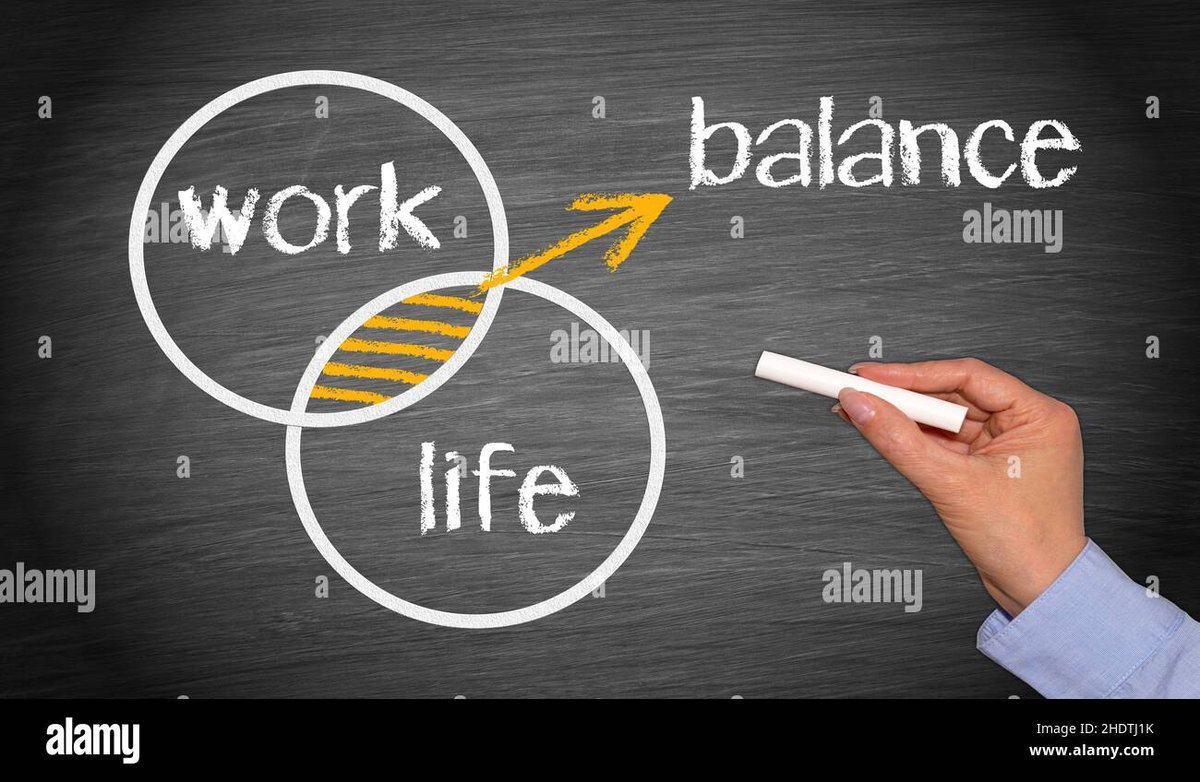
The line between your living room and your office has all but vanished for many, ushering in an era where Career & Work-Life Balance for Home isn't just a perk, it's a fundamental necessity. We're not talking about a fleeting trend, but a profound shift in how we approach our professional and personal lives under one roof. This new landscape demands a fresh perspective, moving beyond the outdated notion of equal time allocation and embracing a more fluid, integrated approach that genuinely works.
For anyone navigating the complexities of remote work, whether you're a seasoned telecommuter or newly working from your kitchen table, mastering this blend is crucial not just for productivity, but for your sanity, health, and happiness. It’s about building a sustainable rhythm that supports both your career aspirations and your personal well-being, all within the confines of your personal space.
At a Glance: Your Remote Work-Life Playbook
- Rethink "Balance": It's less about equal time, more about integration and flexible harmony between work and home life.
- Establish Clear Boundaries: Treat your workday's start and end like a commute, even if it's just a mental shift. Disconnect deliberately.
- Prioritize Self-Care: Regular breaks, proper meals, and exercise aren't optional; they're essential tools for focus and stress management.
- Embrace Imperfection: Grant yourself grace. Not every day will be perfectly "balanced," and that's okay. Your unique circumstances dictate your unique solution.
- Cultivate Connection: Actively combat isolation by fostering virtual social connections with colleagues and friends.
- Choose Wisely: Certain careers inherently offer more flexibility and control over your schedule, making them ideal for a balanced home-based life.
The New Reality: Why "Balance" Isn't What It Used to Be
For decades, "work-life balance" conjured an image of two perfectly weighted scales: equal parts professional demands and personal pursuits. Then came the remote revolution, and suddenly, those scales were sitting on the same countertop, their contents often spilling into each other. The conventional idea of work-life balance, as an equal allocation of time, has proven to be not only unattainable but often detrimental in a remote setting.
Instead, what we've discovered is that work-home-life balance in the remote era is far more effective when approached as a dynamic dance of integration and flexibility. Your professional and personal lives aren't separate entities to be balanced; they're in a symbiotic relationship, constantly influencing one another. This blurring of boundaries requires an intentional, proactive approach centered on self-awareness, clear boundaries, robust self-care, and smart time management. It's less about compartmentalizing and more about skillfully weaving the threads of your life together without creating a tangled mess.
The unique challenges of remote work – the ever-present temptation of the "always-on" culture, the potential for isolation, the lack of a clear physical separation between "work" and "home" – necessitate strategies designed for this integrated reality. It's about finding your personal equilibrium, a "juggle" or "mix" that is entirely unique to you and your household, and that you might need to recalibrate daily.
Redefining "Balance" for Your Home Office
Forget the quest for perfect equilibrium; it's a myth, especially when your office is also your dining room. A healthier, more sustainable approach embraces a few core principles that acknowledge the realities of working from home.
Embrace Excellence, Not Perfection
In your home work environment, resources might be different, distractions might be more personal, and your setup might be less than ideal. The goal isn't to achieve flawless results or an immaculate workflow every single day. Instead, focus on achieving excellence with the resources you have. This means being pragmatic, adaptable, and understanding that good enough is often excellent, given the context. When you stop chasing perfection, you free up mental energy to actually deliver quality work without burning out.
Grant Yourself Grace: Embrace Imperfection
We're all human, and life doesn't stop just because you're on a Zoom call. Kids get sick, pets need attention, the internet blips out. Recognize that work-life balance isn't a static achievement; it's a continuous, often messy, negotiation. Allow for mistakes and learning. Some days, work will demand more; other days, personal life will take precedence. Be kind to yourself through these shifts. Understand that your version of "balance" is unique to your individual circumstances, your preferences, and the needs of your family. What works for your colleague across town might not work for you, and that’s perfectly fine. It's about finding what suits you.
The Dynamic Juggle: It’s Unique to You
Think of work-home-life balance not as a fixed state but as a continuous "juggle" or "mix." Your ideal balance will shift daily, weekly, and even seasonally. This dynamic nature means you need self-compassion, especially when navigating unexpected challenges like a last-minute school closure or an urgent project deadline. The key isn't to prevent the juggle, but to become a skilled juggler, adjusting your grip and rhythm as needed. Recognizing this inherent dynamism is the first step toward building a truly sustainable remote work life. The art of setting healthy boundaries is a critical skill in this ongoing dynamic.
Building Your Remote Work-Life Foundation: Essential Strategies
Successfully integrating your work and home life requires more than just good intentions; it demands deliberate strategies and consistent effort. Here’s how to build a robust foundation that supports both your career and your well-being.
Setting Crystal-Clear Boundaries
When your office is a few steps from your bedroom, boundaries don't just blur – they can disappear entirely if you're not careful. Establishing clear lines is perhaps the most critical component of a healthy remote work life.
- "Go Home" on Time: Defining Your Workday's End. This might sound counterintuitive when you are home, but it's vital. Establish clear end-of-day cutoff times and commit to physically (or mentally) leaving your workspace. This means closing the laptop, turning off notifications, and stepping away. Prioritize quality and outcomes over simply logging more hours. If your work involves complex projects, consider how mastering remote work productivity can help you hit those cut-off times more consistently.
- Establishing Work Transitions: The "Commute" Ritual. Without a physical commute, it’s easy to roll out of bed and into your workday, or vice versa. This lack of transition can lead to burnout. Replicate commute routines: listen to a podcast, read a chapter of a book, take a short walk, meditate, or exercise. These small rituals signal to your brain the start and end of the workday, creating mental buffers and preventing work from bleeding into your personal time.
- Disconnect for True Balance: Turning Off Notifications. One of the biggest traps of remote work is the expectation to be "always on." Establish firm boundaries around checking emails or work messages after hours and on weekends. Your quality downtime is sacred and essential for recharging. Prioritize activities that bring you joy and relaxation, knowing that your time away from the screen is just as productive for your overall well-being.
Mastering Your Remote Day
Beyond boundaries, the structure of your day plays a huge role in maintaining equilibrium.
- Eliminate Time Wasters: Prioritize Your Tasks Fiercely. In a remote environment, distractions can multiply. Be ruthless about removing tasks, commitments, or digital habits that don't contribute to your core goals. Learn to set boundaries and politely decline non-essential activities that eat into your precious time. Focus on what truly moves the needle, both professionally and personally.
- Eat a Proper Lunch: Recharge and Step Away. It's shockingly easy to eat lunch at your desk, eyes glued to the screen. Dedicate time for a proper lunch break. Use calendar reminders, take a virtual break with a colleague, or simply step away from your workspace. A genuine break allows you to physically and mentally recharge, improving focus and mood for the rest of the day.
- Prioritize Exercise: Fueling Body and Mind. Physical activity isn't just for your body; it's a powerful stress management tool and a significant boost for mental well-being and focus. Incorporate exercise into your daily routine, whether it's a morning run, a midday yoga session, or an evening walk. Utilize online resources or simply get outside. This investment in your physical health pays dividends in your professional output. Explore effective stress management techniques for more ideas on incorporating physical activity.
- Foster Social Connections: Combatting Isolation. Remote work can be isolating. Actively counter this by reaching out. Schedule video calls with colleagues that aren't purely work-focused, join virtual coffee breaks, or simply pick up the phone. Maintaining camaraderie and human connection is vital for mental health and can prevent feelings of loneliness that sometimes accompany working from home.
Finding Your Sweet Spot: Jobs Designed for Work-Life Integration
While strategy is key, sometimes the nature of the job itself dictates the potential for Career & Work-Life Balance for Home. Certain roles inherently offer more stability, less stress, greater flexibility, and strong remote potential, making them prime candidates for those seeking a more integrated lifestyle. These are often roles that allow for project-based work, self-managed schedules, or asynchronous collaboration.
According to U.S. News' 100 Best Jobs ranking, filtering for roles with high work-life balance and flexibility scores (considering work hours, workload, pace, and remote availability), and backed by Bureau of Labor Statistics data, a number of careers stand out.
Top Jobs for Home-Based Work-Life Balance (2025 Outlook)
Here's a curated list of roles that frequently offer significant flexibility and a better chance at managing work and home life, many with strong remote potential:
| Job Title | Why It Offers Balance (Key Factors) | Remote Potential |
|---|---|---|
| Pharmacist | Predictable hours, less emergency-driven, strong salary, good job stability. | Limited |
| Operations Research Analyst | Often remote, project-deadline-based hours, mathematical modeling/data focus. | High |
| Psychologist | Many in private practice set their own schedules, high autonomy. | High |
| Actuary | Low stress, strong job growth (21.8% by 2033), analytical work. | Medium-High |
| Financial Manager | Flexibility depends on employer, but senior roles can offer more autonomy. | Medium |
| Physical Therapist | Can work full or part time, private practice allows setting own hours. | Limited |
| Human Resources Manager | May enjoy flexible hours and remote work, depending on the employer/company culture. | Medium-High |
| Dental Hygienist | Often works part-time or a few days a week, offering schedule flexibility. | Low |
| Speech-Language Pathologist | Flexibility depends on setting/private practice, but generally good balance and advancement. | Medium |
| Web Developer | Good work-life balance possible (remote work), though deadlines exist. Self-employed have more control. | High |
| IT Manager | Often manages tasks remotely, prevalence of telecommuting, ranks #1 among Best Technology Jobs. | High |
| Occupational Therapist | Typically less hectic hours than other healthcare roles, focus on daily living skills. | Limited |
| Social & Community Manager | Generally enjoys flexible work schedules and low stress levels. | Medium |
| Marketing Manager | Good work-life balance and low stress possible, depending on company and workload. Ranks #1 in Sales/Mktg. | Medium-High |
| Librarian | Stable hours, calm environment, information management and research focus. Ranks #1 in Education Jobs. | Low-Medium |
| (This table is a selection from the U.S. News list, curated for potential remote work impact where applicable or inherent flexibility. Note: "Remote Potential" indicates how common it is for the role to be performed fully remotely, but hybrid models are also common.) | ||
| Several of these roles, such as Operations Research Analysts and Web Developers, are particularly well-suited for remote work, often providing the autonomy to structure your day around personal commitments. Psychologists and Speech-Language Pathologists in private practice can literally set their own schedules, offering unparalleled control. Even roles like IT Manager have seen a significant shift towards remote oversight, reflecting the prevalence of telecommuting. If you're considering a career pivot or just starting out, evaluating these types of opportunities can give you a significant head start in designing a life with integrated work-home harmony. This is particularly relevant when you think about future trends shaping the world of work. |
Overcoming Common Hurdles in Your Home Environment
Even with the best strategies and a flexible job, working from home comes with its unique set of challenges. Anticipating and addressing these can make all the difference.
Fighting Burnout When Your Office Never Closes
The biggest enemy of work-life integration is the "always-on" mentality. When your commute is five steps to the kitchen, it's easy to work longer hours, check emails late at night, and never truly disconnect. This constant engagement quickly leads to burnout.
- Solution: Reinforce your boundaries. Use a separate work phone or profile if possible. Schedule "digital detox" periods. Actively cultivate hobbies and activities outside of work that force you to disengage. Remember those transition rituals we discussed? They're your first line of defense against burnout.
Managing Family Demands and Personal Distractions
Kids, pets, spouses, house chores – your home is full of life, and sometimes that life is loud, demanding, and distracting. Balancing a professional call with a child needing attention is a remote work rite of passage.
- Solution: Communication is key. If you have a partner or older children, establish shared understanding of your work hours and quiet times. Utilize noise-canceling headphones. Create a "do not disturb" signal (a closed door, a specific sign). Be honest with colleagues if you need to mute or step away briefly for a family matter. Build flexibility into your schedule; sometimes, shifting deep work to early mornings or late evenings when the house is quieter is the most pragmatic solution.
Avoiding the "Always On" Trap
The fear of missing out (FOMO) or the perceived need to constantly respond can lead to an unhealthy attachment to your digital devices. This isn't just about email; it's about team chats, project management tools, and any platform that connects you to work.
- Solution: Set clear expectations with your team and manager about response times outside of core working hours. Encourage asynchronous communication where possible. Most importantly, practice self-discipline. When your workday is done, silence notifications for work apps. Put your work devices away, out of sight. Remember, your time is your own, and the vast majority of "urgent" issues can wait until morning.
Your Action Plan: Designing a Sustainable Remote Life
Building a fulfilling Career & Work-Life Balance for Home isn't a one-time setup; it's an ongoing experiment. You’re the architect of your own remote life, and it’s time to take deliberate steps.
- Self-Assess Your Current State:
- Where are your current boundaries weakest?
- What are your biggest time-wasters?
- What self-care activities are you neglecting?
- How integrated or segregated do you want your work and home life to be? Be honest about what truly feels right for you.
- Pick One Small Change, Make It a Habit: Don't overhaul everything at once. Start with one strategy: maybe it's consistently taking a lunch break, or enforcing a hard stop time at 5 PM. Practice it for a week, then layer in another. Small, consistent efforts yield significant results over time.
- Optimize Your Workspace: Even if it’s a corner of your living room, make it as conducive to focus and comfort as possible. Good lighting, an ergonomic chair, and a tidy environment can make a huge difference in your mental state and productivity.
- Communicate, Communicate, Communicate: Talk to your manager about your need for flexibility. Discuss your work schedule with your family. Setting clear expectations with everyone involved reduces friction and fosters understanding.
- Seek Out Community: Join online forums for remote workers, connect with colleagues, or find local meetups. Sharing experiences and strategies can provide valuable insights and reduce feelings of isolation. Don't forget to strategies for mental well-being in your professional life can be greatly aided by a supportive network.
Designing a life where your career thrives from home while your personal life flourishes requires intentionality, patience, and a willingness to adapt. It’s about creating a rhythm that allows you to be present for both your professional commitments and the moments that truly matter in your personal world. Take the reins, experiment, and remember that your well-being is the foundation of your success.
And as you build this new harmony, remember that the broader context of your living situation also plays a role in how you structure your daily life. To dive deeper into how living spaces influence well-being, you might want to Explore The Man In House.
Frequently Asked Questions (FAQs)
Is "work-life balance" still a thing in remote work?
Yes, but its definition has evolved. Instead of a strict 50/50 split, it's more accurately described as "work-home-life integration" or "harmony." The goal is to create a fluid, sustainable rhythm where your professional and personal lives can coexist and thrive under one roof, with clear boundaries and self-care practices preventing burnout.
How do I convince my employer to be more flexible?
Start by demonstrating your productivity and reliability in your current setup. Then, prepare a proposal outlining how increased flexibility (e.g., specific work hours, project-based deadlines, hybrid model) would benefit both you and the company, perhaps by improving focus, reducing stress, or allowing for more efficient work periods. Focus on outcomes, not just hours. Highlight how your proposed flexibility won't compromise work quality or team collaboration.
What if I don't have a dedicated home office?
Many remote workers don't. The key is to create a dedicated workspace, however small. This could be a specific corner of a room, a small desk in a hallway, or even a particular chair you only use for work. The goal is a consistent spot that signals "work mode" to your brain. When your workday is done, put away your work items to create a mental distinction, even if the physical space remains the same. Noise-canceling headphones can also be a lifesaver.
How can I avoid loneliness while working from home?
Combat isolation actively. Schedule regular (non-work-related) video calls with colleagues for virtual coffee breaks. Join professional online communities or groups related to your hobbies. Make an effort to connect with friends and family during your off-hours. If possible, seek out co-working spaces or coffee shops for a change of scenery and human interaction a few times a week.